
For many singers, high notes are both exciting and intimidating. Whether you sing classical music, musical theatre, pop, or jazz, reaching the top of your range can sometimes feel difficult or even uncomfortable.
Many singers try to force high notes by pushing harder or tightening their throat. Unfortunately, this usually creates exactly the opposite result — tension, instability, and vocal fatigue.
The good news is that high notes should never feel forced or painful. With the right approach and proper vocal technique, singers can develop a reliable and comfortable upper range.
Here are some important principles that can help you sing high notes more freely and confidently.
TIP 1
Don’t Push — Allow the Voice to Release
One of the most common mistakes singers make is trying to push their voice upward.
High notes are not created by muscular force. Instead, they emerge from a coordinated balance of breath, vocal fold function, and resonance.
When singers try to push or shout their way to the top of their range, they often create tension in the throat and jaw. This tension prevents the voice from functioning freely.
The key is to allow the voice to release upward rather than forcing it upward.
TIP 2
Develop Proper Breath Support
Breath support plays a crucial role in singing high notes.
When breath is shallow or unstable, singers often compensate by tightening the throat. This tension interferes with the natural flexibility of the vocal folds.
Good breath support allows the voice to remain balanced and flexible. The airflow should feel steady and controlled, allowing the vocal mechanism to adjust naturally as pitches rise.
Professional singers rely heavily on breath management to maintain control across their entire vocal range.


TIP 3
Think “Tall” Rather Than “Loud”
Many singers associate high notes with singing louder.
In reality, high notes often require more space and freedom rather than more volume. Thinking of the tone as “tall” or “lifted” can help singers create the space needed for resonance.
Allowing the mouth, jaw, and soft palate to remain relaxed and open often produces a clearer and more resonant sound without unnecessary effort.
TIP 4
Avoid Excessive Tension
Tension is the greatest enemy of high notes. Common areas of tension include:
- the jaw
- the tongue
- the neck
- the shoulders
When these areas tighten, they restrict the natural coordination of the voice.
Developing awareness of these tensions — and learning how to release them — can dramatically improve the freedom and ease of the upper range.
TIP 5
Build Your Range Gradually
A healthy vocal range develops over time.
Trying to sing notes that are far beyond your current range often leads to frustration and strain. Instead, singers should gradually extend their range through appropriate exercises and repertoire.
As technique improves, the voice becomes more flexible and capable of accessing higher notes with increasing ease.
This process is similar to athletic training — consistent practice and gradual development produce lasting results.

TIP 6
Warm Up Before Singing
High notes are much easier when the voice is properly warmed up.
Vocal warm-ups help the vocal folds become flexible and responsive. They also encourage the coordination needed for smooth transitions between different parts of the range.
Singers who attempt demanding high notes without warming up often experience unnecessary strain or fatigue.
TIP 7
Work With an Experienced Voice Teacher
Because the voice is an internal instrument, singers often cannot accurately hear or diagnose their own technical issues.
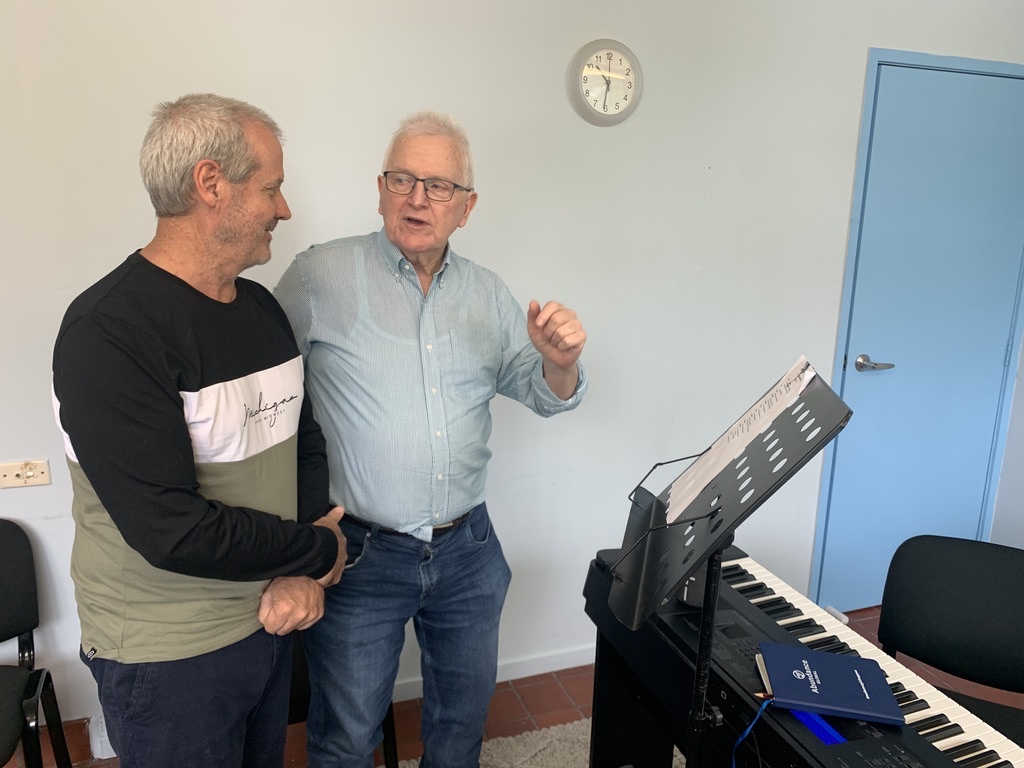
An experienced voice teacher can identify the specific factors limiting a singer’s upper range and provide targeted exercises to address them.
Many singers are surprised by how quickly their high notes improve once they begin working with a skilled teacher who understands the mechanics of the voice.
High Notes Should Feel Free
When sung correctly, high notes often feel surprisingly effortless.
Rather than pushing harder, singers learn to coordinate breath, resonance, and vocal balance so that the voice moves easily into the upper range.
With patience, good technique, and consistent practice, most singers can develop a stronger and more comfortable upper register.
Discover the Full Potential of Your Voice at

Singing is one of the most rewarding forms of musical expression. Whether your goal is performing professionally, singing in a choir, or simply enjoying music more fully, developing your voice can bring enormous satisfaction.
At GH Singing Studio, singers of all ages and experience levels work to develop healthy vocal technique, musical confidence, and expressive performance skills.
Under the guidance of experienced Brisbane voice teacher Gordon Harris, students discover that their voices are capable of far more than they imagined.

Interested in Singing Lessons in Brisbane?
If you would like to develop your voice with the guidance of an experienced Brisbane voice teacher, GH Singing Studio offers personalised singing lessons for beginners, experienced singers and professionals. Book a FREE Introductory Vocal Consult or complete the Inquiry Form in the Contact section of the GH Singing Studio website to learn more about singing lessons in Brisbane.